What Counts as Black Water (Category 3)
The IICRC defines three categories of water loss. Category 3 is the worst.
- Category 1: Clean water from a supply line or faucet
- Category 2: Grey water from appliances, washing machines, or dishwashers
- Category 3: Black water containing sewage, pathogens, or floodwater from outside
Common Category 3 sources in Otterbein homes include:
- Sewer line backups through floor drains or toilets
- Toilet overflows containing solid waste
- Storm surge or river flooding entering the structure
- Standing water that has sat over 48 hours and grown bacteria
- Sump pump failure combined with sewage line issues
- Septic system overflow on rural Central Indiana properties
Keep in mind that a Category 2 loss can degrade into Category 3 if it sits untreated. A dishwasher overflow that seems harmless on Friday night can be a biohazard by Sunday morning. Temperature, food residue, and organic material all accelerate bacterial growth.
If you are unsure which category you are dealing with, our grey water Category 2 cleanup guide breaks down the differences in detail.
The First 30 Minutes: Your Action List
Time matters with black water. Bacteria multiply fast. Follow these steps in order.
- Get people and pets out of the affected area. Pathogens become airborne quickly.
- Shut off electricity to the zone at the breaker if it is safe to reach. Do not stand in water to flip a switch.
- Shut off the water source if the backup is from a fixture you can isolate.
- Do not run HVAC. It will spread contaminated air through your whole home.
- Open windows only if outside air is cleaner than inside.
- Photograph everything for your insurance claim before any cleanup starts.
- Call Otterbein Water Restoration at our 24/7 line. We dispatch immediately to Otterbein.
- Do not touch porous items like carpet, drywall, or upholstery with bare skin.
Real Cost Ranges for Otterbein Homeowners
Pricing depends on square footage, depth, and how long the water sat. Here are realistic ranges we see across Central Indiana.
- Small bathroom or single room (under 200 sq ft): $2,500 to $5,500
- Finished basement (500 to 1,000 sq ft): $7,000 to $18,000
- Full basement with significant demolition: $15,000 to $35,000
- Whole-home sewage event: $25,000 to $80,000 or more
Most homeowners insurance covers Category 3 events triggered by a sudden backup, especially with a sewer backup rider. Flooding from outside sources usually requires separate flood insurance.
Insurance Claim Tips That Actually Work
- File the claim within 24 hours of discovery
- Request your adjuster meet our crew on site for the scope walkthrough
- Keep every receipt for hotel stays, meals out, and replacement essentials
- Do not sign anything from a public adjuster before talking to us
- Ask your carrier about your sewer backup endorsement limits
- We bill most major carriers directly so you are not out of pocket
- Document serial numbers on appliances and electronics before disposal
- Request a copy of the adjuster's estimate in writing before approving repairs
How to Pick a Sewage Restoration Company in Otterbein
- Confirm IICRC certification for Water Restoration (WRT) and Applied Microbial Remediation (AMRT)
- Verify proper liability and pollution insurance
- Ask for written scope and moisture documentation, not verbal estimates
- Check BBB rating and recent Google reviews specifically for sewage jobs
- Confirm 24/7 dispatch with crews based in or near Otterbein, not three hours away
- Ask how many Category 3 jobs they completed in the last 12 months
- Request references from recent sewage clients in your zip code
If you want a deeper breakdown of vetting, our guide on how to choose a water damage company walks through what credentials matter.
The Otterbein Water Restoration Black Water Process
When our team arrives at your Otterbein property, here is what happens.
- Assessment and containment. We seal the affected area with poly sheeting and set up negative air pressure.
- PPE setup. Crews wear full Tyvek suits, respirators, and gloves rated for biohazard work.
- Bulk extraction. Truck-mounted equipment removes standing water and sewage solids.
- Demolition of unsalvageable porous materials. This typically includes drywall up to 12 to 24 inches above the waterline, carpet, pad, and insulation.
- Cleaning and sanitizing. EPA-registered antimicrobials applied to all affected surfaces.
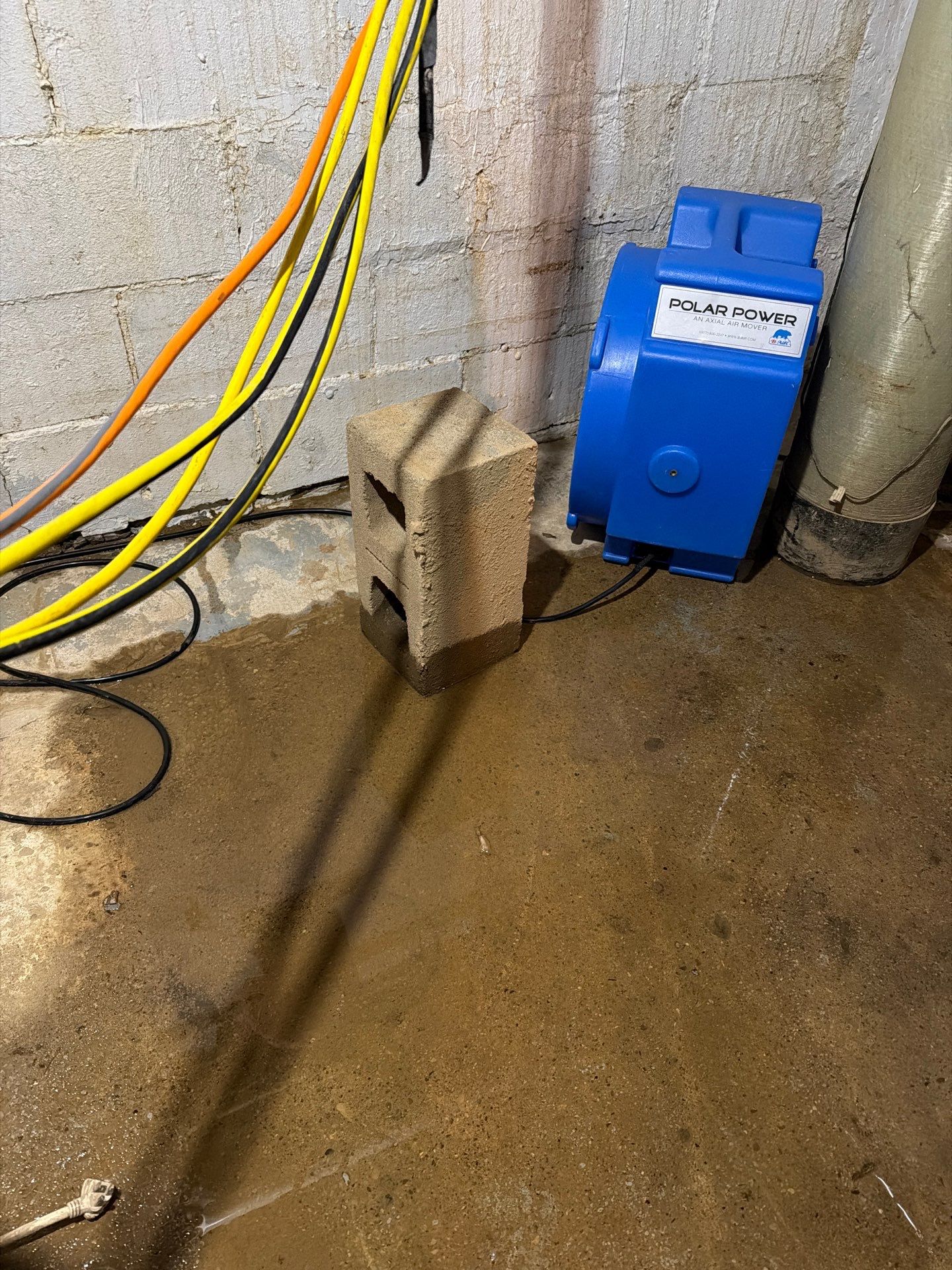
- Structural drying. Air movers and dehumidifiers run for 3 to 5 days with daily moisture readings.
- Post-remediation verification. We document moisture levels and surface samples before reconstruction.
- Reconstruction. Replacing drywall, flooring, trim, and paint to pre-loss condition.
For backups specifically caused by sewer line failures, our sewage cleanup service page covers what is included and how dispatch works.
Preventing the Next Black Water Event
Once you have lived through one sewage backup, you never want a repeat. A few proactive steps go a long way.
- Install a backflow preventer on your main sewer line
- Schedule annual sewer line camera inspections, especially for homes over 30 years old
- Keep wipes, paper towels, and grease out of toilets and drains
- Add a battery backup or water-powered backup to your sump pump
- Trim tree roots away from lateral sewer lines in your yard
- Know where your main water shutoff and sewer cleanout are located
- Consider a smart water sensor in basements and utility rooms
Black water is one of the most serious losses a home can suffer, but with fast action and the right crew, it is fully recoverable. Save our number now so you are not searching during an emergency.
Why DIY Black Water Cleanup Is a Bad Idea
We get the impulse to grab a shop vac and start fixing it. Here is why that backfires.
- Standard shop vacs are not rated for biohazard extraction
- Household bleach does not penetrate porous materials or kill all pathogens
- Drying without antimicrobial treatment grows mold within 48 hours
- Insurance often denies DIY claims because of improper documentation
- You can track contamination through the rest of your house on your shoes
- Health risks include hepatitis, E. coli, giardia, and respiratory infections
- Improper disposal of contaminated materials can violate local ordinances
What Gets Thrown Out vs. Saved
This is the question every homeowner asks. The IICRC has clear rules.
Almost always discarded:
- Carpet and carpet pad that contacted black water
- Drywall and insulation in the contaminated zone
- Upholstered furniture that absorbed contaminated water
- Mattresses, pillows, stuffed animals
- Particleboard cabinetry and laminate flooring
- Paper goods, books, cardboard storage
- Children's toys with porous surfaces or fabric components
- Cosmetics, opened food, and any pet supplies that contacted water
Often salvageable with proper cleaning:
- Hardwood floors if dried within 24 to 48 hours
- Solid wood furniture with sealed finishes
- Tile, concrete, and sealed stone surfaces
- Metal, glass, and hard plastic items
- Clothing if professionally laundered with sanitizer
- Photos and documents if frozen quickly and restored by a specialist
Health Risks You Should Not Ignore
Black water is not just dirty water. It is a living soup of pathogens that can make your family sick for weeks. The CDC tracks several illnesses tied directly to sewage exposure.
- Bacterial infections: E. coli, salmonella, shigella, and campylobacter
- Viral exposure: Hepatitis A, norovirus, and rotavirus
- Parasitic risks: Giardia and cryptosporidium
- Fungal threats: Aspergillus and stachybotrys (black mold) within 48 to 72 hours
- Respiratory issues: Endotoxins released as bacteria die can trigger asthma flares
Children, elderly residents, pregnant women, and anyone with a compromised immune system should stay out of the home entirely until clearance testing is complete.